


出口污水处理设备工艺解析
编辑:出口污水处理设备 来自:https://www.zqwscl.com /日期:2026-08-24 09:13 / 人气:
从预处理、调节、AO、MBBR、MBR、消毒和污泥处理等环节,系统介绍一体化污水处理设备的工艺组成和选用逻辑。
预处理保护后续单元
一体化污水处理设备的第一道保障通常是格栅、筛网、隔油或其他预处理。生活污水中的织物、塑料和大颗粒会堵塞水泵、曝气器与膜组件;餐饮、屠宰和食品加工废水中的油脂与悬浮物会影响氧传递和膜通量;部分工业废水还可能存在强酸碱、毒性或难降解污染物。预处理需要根据实际水质配置,不能因为设备一体化就省略必要环节。将不适合进入生化系统的物质提前分离,是设备长期稳定运行的基础。
调节池均衡水量水质
调节池用于缓冲小时峰值、浓度波动、温度变化和间歇排水,使后续生化单元获得相对连续的进水。酒店和学校可能在早晚集中排水,食品工厂则可能在生产结束和清洗阶段出现高负荷。如果没有足够调节容积,短时冲击会直接进入生化池,导致溶解氧下降、污泥流失或膜池高水位。调节池还可通过搅拌或曝气防止沉积和厌氧发臭,并根据液位控制提升泵均匀供水。
AO工艺完成有机物与脱氮
AO工艺由缺氧区和好氧区组成。好氧区中的微生物降解有机物,并在合适的溶解氧、温度和污泥龄条件下完成硝化;含硝酸盐的混合液回流至缺氧区后,可利用有机碳进行反硝化。AO流程成熟、控制逻辑清晰,适合多种生活污水和可生化工业废水。设计时需核算缺氧与好氧容积、内回流比、碳源条件、曝气量和排泥,不能只靠增加回流或延长曝气解决所有问题。
MBBR提高单位容积生物量
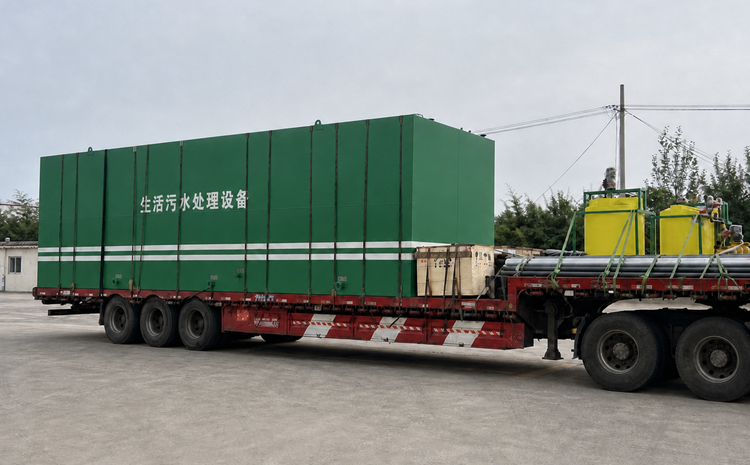
MBBR在反应池中投加悬浮生物载体,微生物附着在载体表面形成生物膜。载体能够保留较多生物量,并在一定程度上增强系统对水质负荷变化的适应性。设备需要设置合适的载体填充率、曝气混合方式和拦截装置,防止载体聚集或流失。MBBR可以独立使用,也可与AO、沉淀或MBR组合。具体效果仍取决于水质、温度、溶解氧和水力条件,而不是填料数量越多越好。
MBR强化固液分离
MBR使用膜组件截留活性污泥和悬浮物,可以获得较清澈的出水,并允许生化池保持较高污泥浓度,适合占地受限、出水要求较高或计划回用的项目。膜系统需要良好预处理、均匀曝气冲刷、合理设计通量以及抽吸、停歇、反洗和清洗程序。含油、细小纤维、高硬度或异常化学品会增加膜污染风险。中侨启迪具备MBR膜组件生产能力,可将膜面积、池体结构和控制逻辑综合设计。
消毒与污泥处理构成闭环
生化或膜处理出水可根据排放和回用要求配置紫外、次氯酸钠或其他消毒方式。消毒效果取决于有效剂量、接触时间和水质条件,并应考虑药剂安全和当地法规。系统产生的剩余污泥、浮渣与预处理固体也需要及时收集、浓缩、脱水或外运,不能只关注清水出口。完整的一体化工艺应同时说明出水、污泥、臭气、药剂和异常水的去向,形成可运行、可维护的处理闭环。
INTEGRATED WASTEWATER TREATMENT | ZHONGQIAO ENLIGHTENMENT
Process Analysis of Export Integrated Wastewater Treatment Equipment
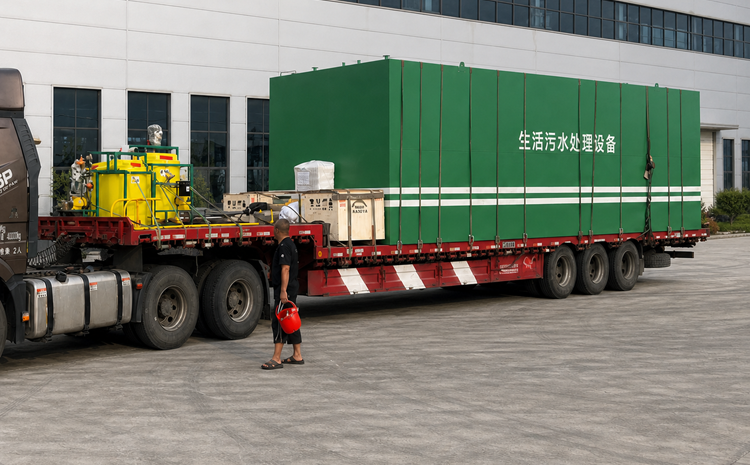
A process-based explanation of pretreatment, equalization, AO, MBBR, MBR, disinfection, and sludge handling in integrated wastewater treatment equipment.
Pretreatment protects downstream units
Screens, sieves, oil separation, and other pretreatment steps provide the first protection for integrated wastewater treatment equipment. Rags, plastic, and coarse solids in domestic sewage can block pumps, diffusers, and membranes. Grease and suspended solids in catering, slaughterhouse, and food wastewater can reduce oxygen transfer and membrane capacity. Selected industrial wastewater may also contain extreme pH, toxicity, or refractory pollutants. Pretreatment must reflect the actual wastewater and should not be removed simply because the main equipment is integrated.
Equalization balances flow and quality
An equalization tank buffers hourly peaks, concentration changes, temperature variation, and intermittent discharge, providing a more continuous feed to biological treatment. Hotels and schools may discharge mainly in the morning and evening, while food factories may create high loads during production cleanup. Without sufficient equalization, short peaks can reduce dissolved oxygen, wash out sludge, or create a high membrane-tank level. Mixing or aeration prevents settlement and odor, while level control allows lift pumps to feed the process more evenly.
AO removes organics and supports nitrogen removal
AO combines an anoxic zone with an aerobic zone. Aerobic microorganisms remove organic matter and, under suitable dissolved oxygen, temperature, and sludge age, convert ammonia through nitrification. Nitrate-rich mixed liquor returns to the anoxic zone for denitrification using available organic carbon. AO is mature and suitable for many domestic sewage and biodegradable industrial applications. Design must calculate anoxic and aerobic volume, internal recirculation, carbon availability, aeration, and sludge wasting rather than relying on excessive airflow or recirculation.
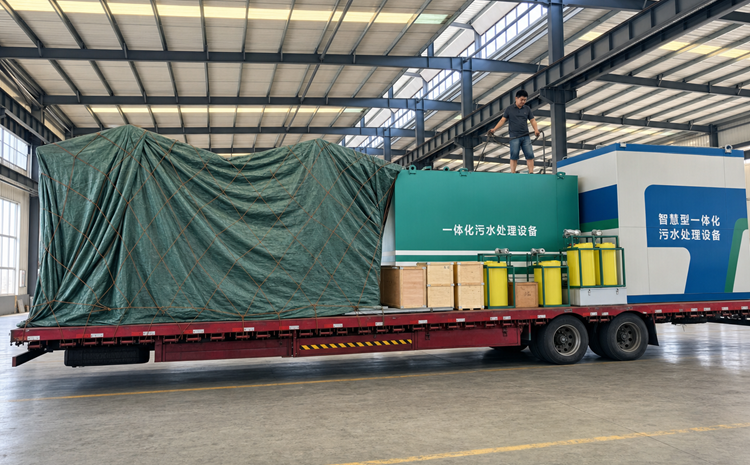
MBBR increases retained biomass
MBBR adds suspended carrier media on which microorganisms form an attached biofilm. The carriers retain additional biomass and can improve tolerance to a degree of load variation. Correct application requires a suitable filling ratio, mixing and aeration, and retention screens that prevent carrier loss or accumulation. MBBR may operate alone or combine with AO, clarification, or MBR. Performance still depends on wastewater, temperature, dissolved oxygen, and hydraulics; simply adding more media is not a complete process design.
MBR strengthens solids separation
MBR uses membranes to retain activated sludge and suspended solids, producing a clear effluent and allowing higher biomass concentration in the bioreactor. It is useful where footprint is limited or higher-quality discharge and reuse are planned. The membrane stage requires effective pretreatment, uniform scouring, appropriate flux, and controlled suction, relaxation, backwash, and cleaning. Oil, fine fibers, hardness, and unexpected chemicals increase fouling risk. ZhongQiao Enlightenment manufactures MBR components and can coordinate membrane area, tank design, and controls.
Disinfection and sludge handling complete the process
Biological or membrane effluent may use UV, sodium hypochlorite, or another permitted disinfection method according to discharge and reuse requirements. Performance depends on dose, contact time, and water quality, with chemical safety and local rules considered. Waste sludge, float solids, and pretreatment screenings also require collection, thickening, dewatering, or legal disposal. A complete integrated process identifies the destination of treated water, sludge, odor, chemicals, and off-specification wastewater, creating an operable treatment cycle rather than focusing only on the final water outlet.
内容搜索 Related Stories
推荐内容 Recommended
- 出口污水处理设备工艺解析08-24
- 出口污水处理设备优势解析08-22
- 出口污水处理设备集装箱装载平衡08-14
- 出口污水处理设备海运木箱标识要求08-13
- 出口污水处理设备电气标准适配08-11
- 出口污水处理设备英文操作手册编制08-10
- 出口污水处理设备目的港卸货准备08-08
- 出口污水处理设备海运防潮包装08-07
- 出口污水处理设备装箱清单核对08-06
- 出口污水处理设备英文标识规范08-05
- 出口污水处理设备英文标识规范08-05
- 出口污水处理设备装柜固定方法08-04
- 出口污水处理设备备品备件配置08-03
- 出口污水处理设备远程调试服务要点08-01
- 出口非洲一体化污水处理设备安装指南07-31