


出口污水处理设备技术要点
编辑:出口污水处理设备 来自:https://www.zqwscl.com /日期:2026-08-25 10:04 / 人气:
介绍一体化设备在有效容积、曝气回流、膜系统、结构材料、电气控制和远程监测方面的关键技术。
有效容积决定反应时间
一体化污水处理设备的外形尺寸只是结构结果,真正影响处理效果的是各功能区的有效容积和水力停留时间。设计要根据平均水量、峰值流量、COD与氨氮负荷、最低水温和出水目标计算调节、缺氧、好氧、沉淀或膜池容积,并扣除设备内部构件占用空间。水流组织还要避免短流和死区,使污水真正经过预定反应路径。只比较设备长度、宽度和高度,无法判断工艺能力是否充分。
曝气与回流形成生化条件
曝气系统既提供微生物所需氧气,也承担池内混合和部分膜冲刷功能。风量不足会影响有机物去除和硝化,风量过大则增加能耗并可能破坏污泥絮体。AO系统还需通过内回流将硝酸盐带回缺氧区,通过污泥回流维持生化系统的污泥量。风机、曝气器、管径、阀门和回流泵应作为一个系统核算,并通过溶解氧、污泥沉降和出水数据逐步优化运行参数。
沉淀与膜分离各有边界
传统沉淀单元依靠污泥絮体沉降实现固液分离,结构简单,但出水效果受污泥沉降性能和表面负荷影响。MBR通过膜孔截留悬浮物,可提供更稳定的固液分离,但需要控制膜通量、跨膜压差、曝气冲刷和清洗。设备选型应根据出水要求、占地、能耗、运维能力和耗材供应进行,而不是默认膜工艺一定优于沉淀。对于含油和高悬浮物废水,任何分离技术都需要合适预处理。
结构材料服务于水质与环境
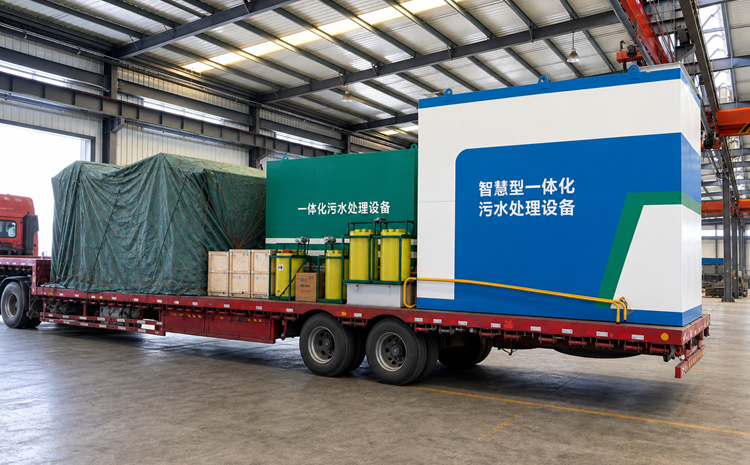
一体化设备常用碳钢、PP、不锈钢和玻璃钢等材料。碳钢强度高、加工灵活,但需要完整的表面处理和防腐体系;PP耐多种酸碱和盐类,重量较轻,但要控制挤出焊、加强结构、温度和长期变形;不锈钢需根据氯离子和化学环境选择牌号。设备材料还要考虑地埋荷载、整体吊装、海边盐雾、室外日照和检修方式。材料选择必须与结构计算和使用环境一起确定。
PLC控制保障设备联动
控制系统应把液位、风机、水泵、加药、排泥、膜抽吸和报警联成清晰逻辑。高低液位可控制提升泵和防止溢流,设备轮换可均衡运行小时,故障联锁可避免空转或过载。MBR还需设置抽吸、停歇、反洗与清洗模式。人机界面应提供手动与自动切换、参数权限、报警记录和维护提示,同时保留断网情况下的本地独立运行能力。电气设计还要适应项目电压、频率和当地元器件维护条件。
远程平台提升技术支持效率
中侨启迪自主研发的“混沌云”物联网平台可用于云监控、云运营、云分析和云管理。根据仪表配置,平台可显示液位、设备启停、运行小时、报警和部分水质数据,帮助技术人员判断趋势和提供远程建议。远程监控不能替代现场取样、清理和维护,但可以建立运行记录,缩短跨地区沟通时间。项目需同时明确网络方式、账号权限、数据安全和通讯中断时的控制策略。
INTEGRATED WASTEWATER TREATMENT | ZHONGQIAO ENLIGHTENMENT
Technical Features of Export Integrated Wastewater Treatment Equipment
Key technical considerations for effective volume, aeration and recirculation, membranes, structural materials, electrical control, and remote monitoring.
Effective volume determines reaction time
External dimensions are only the structural result of integrated wastewater treatment equipment. Process capacity depends on the effective volume and hydraulic retention time of each zone. Equalization, anoxic, aerobic, clarification, and membrane volumes should be calculated from average flow, peak flow, COD and ammonia loads, minimum water temperature, and the effluent target, with internal components deducted. Hydraulic design should avoid short-circuiting and dead zones so wastewater follows the intended reaction path. Length, width, and height alone cannot demonstrate adequate treatment capacity.
Aeration and recirculation establish biological conditions
Aeration supplies oxygen, mixes the reactor, and may scour membrane surfaces. Insufficient air reduces organic removal and nitrification, while excessive air wastes energy and may disturb sludge flocs. AO also uses internal recirculation to return nitrate to the anoxic zone and sludge return to maintain biological inventory. Blowers, diffusers, pipe sizes, valves, and recirculation pumps must be calculated as one system. Dissolved oxygen, sludge settling, and effluent data then guide gradual operating optimization.
Clarification and membranes have different limits
Conventional clarification separates solids by sludge settling. It is structurally simple, but performance depends on sludge settleability and surface loading. MBR uses membrane pores to retain suspended solids and provides more consistent separation, while requiring flux, transmembrane pressure, scouring air, and cleaning control. Selection should consider effluent requirements, footprint, energy, operator capability, and consumable supply rather than assuming membranes are always superior. Oily and high-solids wastewater needs suitable pretreatment for either separation method.
Structural materials follow wastewater and environment
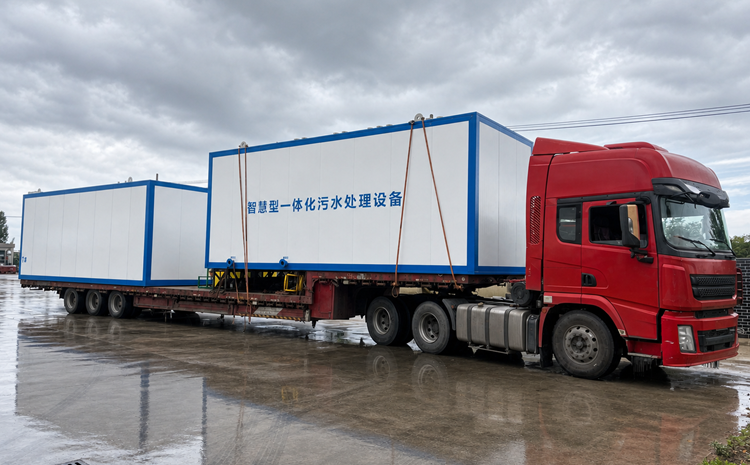
Common materials include coated carbon steel, PP, stainless steel, and fiberglass. Carbon steel provides strength and flexible fabrication but requires complete surface preparation and coating. PP resists many acids, alkalis, and salts and has a lower weight, while extrusion welding, reinforcement, temperature, and long-term deformation must be controlled. Stainless steel grade depends on chloride and chemical conditions. Buried loads, lifting, coastal salt spray, sunlight, and maintenance access also influence material and structural design.
PLC controls coordinate equipment operation
The control system connects levels, blowers, pumps, dosing, sludge wasting, membrane suction, and alarms into a clear sequence. Level signals prevent overflow and dry running, equipment rotation balances hours, and interlocks protect against overload. MBR requires suction, relaxation, backwash, and cleaning modes. The HMI should provide manual and automatic control, parameter permissions, alarm history, and maintenance reminders while preserving independent local operation if communications fail. Electrical design must also fit project voltage, frequency, and local service conditions.
Remote platforms improve technical support
ZhongQiao Enlightenment's independently developed Chaos Cloud IoT platform supports cloud monitoring, operation, analysis, and management. Depending on instrumentation, it can display levels, equipment status, operating hours, alarms, and selected water-quality data. Remote monitoring cannot replace sampling, cleaning, or maintenance, but it creates a useful operating history and reduces cross-border communication time. Network methods, account permissions, data security, and control behavior during communication loss should be defined during engineering.
内容搜索 Related Stories
推荐内容 Recommended
- 出口污水处理设备技术要点08-25
- 出口污水处理设备工艺解析08-24
- 出口污水处理设备优势解析08-22
- 出口污水处理设备集装箱装载平衡08-14
- 出口污水处理设备海运木箱标识要求08-13
- 出口污水处理设备电气标准适配08-11
- 出口污水处理设备英文操作手册编制08-10
- 出口污水处理设备目的港卸货准备08-08
- 出口污水处理设备海运防潮包装08-07
- 出口污水处理设备装箱清单核对08-06
- 出口污水处理设备英文标识规范08-05
- 出口污水处理设备英文标识规范08-05
- 出口污水处理设备装柜固定方法08-04
- 出口污水处理设备备品备件配置08-03
- 出口污水处理设备远程调试服务要点08-01