


出口污水处理设备场景案例
编辑:出口污水处理设备 来自:https://www.zqwscl.com /日期:2026-08-27 08:54 / 人气:
通过酒店度假区、工程营地、社区学校、医疗机构和食品加工等典型场景,说明一体化污水处理设备的配置思路。
案例说明与使用边界
以下内容根据常见项目条件整理,用于说明一体化污水处理设备的场景化配置方法,不对应未经公开确认的具体客户,也不虚构处理规模和达标数据。实际项目必须重新核实水量、水质、当地标准、场地、电源和污泥去向。案例分析的价值在于展示不同污水的主要矛盾:生活污水重视负荷波动与简便运行,医疗废水重视分质和消毒,食品废水则要先解决油脂、固体和高有机负荷。
酒店度假区生活污水案例
酒店与度假区污水主要来自客房、餐饮、洗涤和公共区域,用水量随入住率和旅游季变化。典型方案可设置格栅、隔油、调节、AO或MBBR、生化沉淀/MBR及消毒。餐饮排水宜先隔油,洗涤排水需关注表面活性剂,调节池用于缓冲早晚高峰。若出水用于绿化或冲洗,可增加过滤、消毒和清水储存。设备靠近客房时,还要控制风机噪声、污泥气味和检修对营业的影响。
工程营地分散污水案例
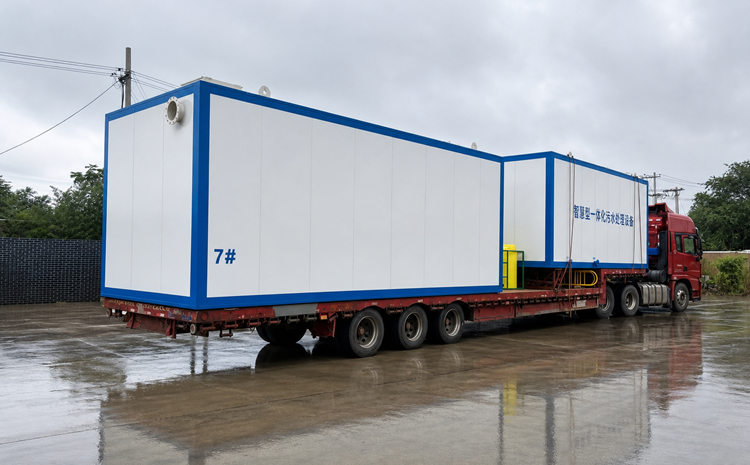
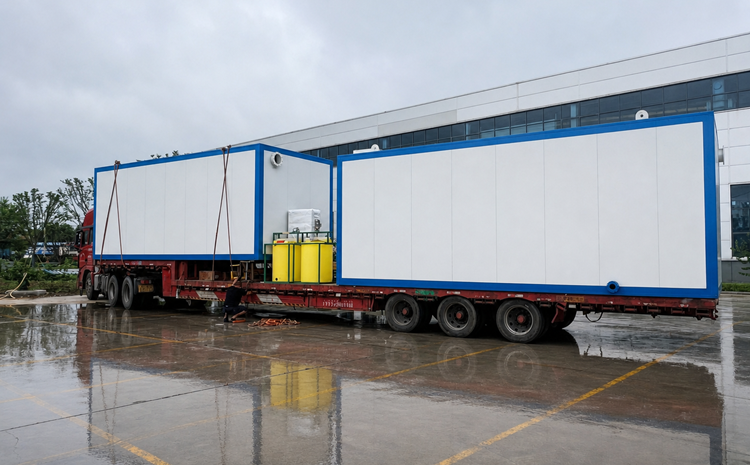
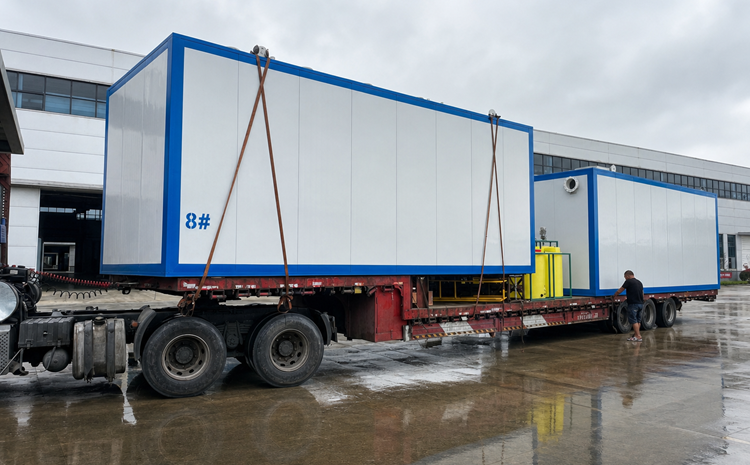
海外工程营地常具有建设周期短、人口阶段性变化和专业运维人员有限等特点。一体化设备可在工厂完成内部管路和电控装配,到场后连接基础、进出水和电源。工艺可根据生活污水采用AO、MBBR或MBR,并通过多模块或设备分组适应人员增加与减少。控制系统应保持操作直观,备用泵和风机便于轮换,常用耗材和易损件提前配置,同时提供英文操作手册和远程技术支持。
社区与学校污水案例
社区、乡镇聚居点和学校的污水以生活污水为主,但可能受到寒暑假、周末、雨季渗入和人口变化影响。方案通常重视调节能力、低负荷稳定性和简化运维。可采用预处理、AO/MBBR、沉淀或MBR、消毒等组合,并根据场地选择地上或地埋布置。设备设计应避免检修口被覆土或建筑遮挡,污泥清运路线要清楚。远程平台可帮助查看液位和报警,但当地人员仍需完成格栅清理、排泥和取样。
医疗机构废水案例
医院、诊所和实验室废水可能含有消毒剂、药物残留、病原微生物或特殊实验废液。首先应识别不同排水来源,对高浓度或特殊废液单独收集,避免直接冲击一体化生化设备。综合废水可采用调节、AO/MBR、消毒等流程,消毒单元要核实药剂剂量、接触时间或紫外有效剂量。操作人员需执行药剂安全、取样和应急程序,最终方案必须与当地医疗污水法规及院区感染控制要求一致。
食品加工废水案例
食品加工、屠宰和餐饮废水往往含有油脂、颗粒物和较高浓度有机物,且生产与清洗阶段差异明显。典型配置先采用筛分、隔油、调节、混凝沉淀或气浮降低固体与油脂,再进入AO、MBBR或组合生化单元;出水要求较高时,可增加MBR或深度过滤。浮渣、剩余污泥和预处理残渣要同步规划收集与外运。方案不能直接照搬生活污水设备,必须根据可生化性和峰值负荷重新核算。中侨启迪可结合工艺设计、设备制造和调试服务,为不同场景配置一体化污水处理设备。
INTEGRATED WASTEWATER TREATMENT | ZHONGQIAO ENLIGHTENMENT
Application Cases for Export Integrated Wastewater Treatment Equipment
Scenario-based examples showing how integrated wastewater treatment equipment can be configured for resorts, camps, communities, healthcare facilities, and food processing.
Scope of the case examples
The following examples are based on common project conditions and illustrate how integrated wastewater treatment equipment may be configured. They do not represent an undisclosed customer and do not invent capacities or compliance results. Every real project must verify flow, wastewater quality, local standards, site conditions, power supply, and sludge disposal. The examples highlight different priorities: domestic sewage needs flexible loading and simple operation, healthcare wastewater requires segregation and disinfection, and food wastewater needs early removal of grease, solids, and high organic loading.
Resort and hotel wastewater
Hotel and resort wastewater comes from guestrooms, catering, laundry, and public areas, with flow changing according to occupancy and tourism season. A typical solution may include screening, oil separation, equalization, AO or MBBR, clarification or MBR, and disinfection. Catering discharge should be separated from grease, while laundry flow requires attention to surfactants. Equalization buffers morning and evening peaks. Irrigation or washing reuse may add filtration, disinfection, and treated-water storage. Blower noise, sludge odor, and maintenance disruption also matter when equipment is near guestrooms.
Construction-camp domestic sewage
Overseas construction camps often have short construction schedules, changing population, and limited professional operators. Factory-built equipment can arrive with internal piping and controls assembled, requiring site foundations, external connections, and power. AO, MBBR, or MBR can treat domestic sewage, while multiple modules or duty grouping follow population changes. Controls should remain intuitive, duty and standby pumps and blowers should alternate, common consumables and wearing parts should be supplied, and English manuals and remote technical support should be included.
Community and school wastewater
Communities, small towns, and schools mainly generate domestic sewage, but holidays, weekends, rainy-season infiltration, and population changes affect loading. Solutions emphasize equalization, stable low-load operation, and simple maintenance. Pretreatment, AO or MBBR, clarification or MBR, and disinfection may be combined in above-ground or buried equipment. Access openings must not be blocked by soil or buildings, and the sludge-removal route should be planned. Remote platforms can display levels and alarms, while local staff still clean screens, waste sludge, and collect samples.
Healthcare-facility wastewater
Hospitals, clinics, and laboratories may discharge disinfectants, pharmaceutical residues, pathogens, or special laboratory liquids. Separate identification and collection of concentrated or unusual waste protects the integrated biological system. Combined wastewater may use equalization, AO or MBR, and disinfection, with chemical dose, contact time, or effective UV dose verified. Operators need chemical-safety, sampling, and emergency procedures. The final solution must comply with local healthcare wastewater regulations and the facility's infection-control requirements.
Food-processing wastewater
Food processing, slaughterhouse, and catering wastewater commonly contains grease, particles, and high organic loading, with major differences between production and cleaning. Screening, oil separation, equalization, coagulation, sedimentation, or dissolved air flotation can remove solids and grease before AO, MBBR, or combined biological treatment. MBR or polishing filtration may be added for stricter effluent requirements. Float solids, waste sludge, and pretreatment residues require collection and legal disposal. A domestic sewage package should not be copied directly; biodegradability and peak loading must be recalculated. ZhongQiao Enlightenment can combine process engineering, equipment manufacturing, and commissioning support to configure integrated wastewater treatment equipment for these applications.
内容搜索 Related Stories
推荐内容 Recommended
- 出口污水处理设备场景案例08-27
- 出口污水处理设备技术要点08-25
- 出口污水处理设备工艺解析08-24
- 出口污水处理设备优势解析08-22
- 出口污水处理设备集装箱装载平衡08-14
- 出口污水处理设备海运木箱标识要求08-13
- 出口污水处理设备电气标准适配08-11
- 出口污水处理设备英文操作手册编制08-10
- 出口污水处理设备目的港卸货准备08-08
- 出口污水处理设备海运防潮包装08-07
- 出口污水处理设备装箱清单核对08-06
- 出口污水处理设备英文标识规范08-05
- 出口污水处理设备英文标识规范08-05
- 出口污水处理设备装柜固定方法08-04
- 出口污水处理设备备品备件配置08-03