


出口污水处理设备启动调试
编辑:出口污水处理设备 来自:https://www.zqwscl.com /日期:2026-09-14 08:55 / 人气:
运行问题需要提前设计
出口污水处理设备用于完成安装准备投入连续运行的项目时,真正需要解决的不是设备名称是否熟悉,而是土建接口、机械、电控和生化培养需要按顺序协调。项目初期应把使用人数、生产班次、排水时段、峰值持续时间、进水来源和后续去向调查清楚。如果只拿日均水量套用通用型号,调节空间、瞬时负荷和停机检修条件就容易被忽略。本篇从一体化设备的启动与交接入手,说明怎样把现场问题转换成可以核查的设计和采购条件。本篇以一体化污水处理设备的实际配置为内容主线。
先建立可观察的运行数据
基础数据应同时包含流量和水质两个维度。针对完成安装准备投入连续运行的项目,至少要区分正常工况、峰值工况和异常排水,并关注悬浮物、油脂、可生化性、酸碱度、温度以及可能抑制生化系统的成分。土建接口、机械、电控和生化培养需要按顺序协调往往不是单一参数造成,而是水量波动、管理方式和前端收集系统共同作用的结果。采样点、采样时段和检测方法也应记录,避免用一次结果代表长期工况。
围绕一体化设备的启动与交接,在数据核对环节,对于高油、高盐、强酸碱、高悬浮物或含抑制性成分的进水,不能直接套用生活污水经验。应先检测代表性水样,必要时安排小试或中试,再确定预处理和主体工艺的组合。
围绕一体化设备的启动与交接,在材料确认环节,方案评审时可把必须满足的条件、可优化项目和风险提示分开列出。这样既能避免技术要求被报价表淹没,也便于建设、设计、施工和运营各方确认自己的责任边界。
围绕一体化设备的启动与交接,在单机试运环节,设计阶段还要考虑检修通道、起吊空间、阀门可达性、取样位置和排泥去向。设备可以安装进去并不等于便于维护,空间过紧会把原本简单的巡检变成高风险作业。
关键设备应怎样调整
围绕本主题,核心技术逻辑是由设备检查、单机试运、清水联动、生化启动到逐步加载建立运行窗口。各处理单元承担的任务必须分开说明:预处理负责拦截或均化,主体工艺完成主要污染物转化,沉淀、膜分离、过滤或消毒则按出水用途补充。单元越多并不必然越可靠,关键在于水力衔接、回流关系、污泥去向和控制逻辑是否一致。任何参数都应以真实水质和项目设计为准。
围绕一体化设备的启动与交接,在方案评审环节,交付前的培训应围绕正常启动、停机、参数观察、排泥清理、异常判断和安全操作展开。培训内容最好形成现场清单,并由实际运行人员完成一次操作演练,而不是只签收说明书。
围绕一体化设备的启动与交接,在接口协调环节,任何关于达标、回用或稳定运行的判断,都应与实际进水、设计负荷、调试状态、维护水平和项目所在地现行要求联系起来,不能把某一设备名称直接等同于最终处理结果。
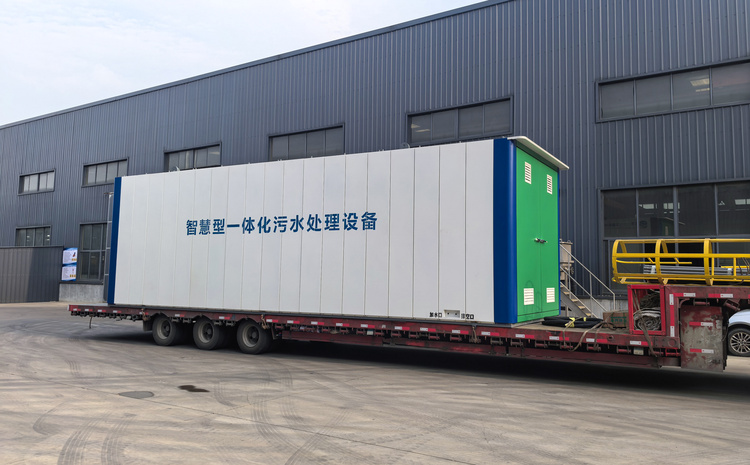
围绕一体化设备的启动与交接,在清水联动环节,自动控制应服务于工艺,不宜简单追求点位数量。液位、流量、压力、溶解氧或设备状态等信号应与联锁逻辑对应,并保留手动操作、异常报警和安全停机的清晰路径。
异常工况如何分层排查
设备设计与选型应重点落实基础标高、管线、电缆、泵阀、曝气、回流、排泥、报警和取样。除了有效容积和名义处理量,还要核对材质适配、结构受力、检修空间、管路走向、动力条件、基础形式以及可能的扩容方式。对于地埋、集装箱、PP、碳钢或膜系统等不同形式,应说明各自适用边界,不能把耐腐蚀、占地紧凑或模块化等单项特点解释成适合所有项目。
围绕一体化设备的启动与交接,在工艺深化环节,运行评价不能只盯最终出水,还应关注各单元之间是否协调。前端调节不足、回流失衡或清理不及时,往往会把负担转移到后续单元,造成能耗上升和维护频率增加。
围绕一体化设备的启动与交接,在施工准备环节,项目记录应把进水采样时间、设备启停、液位变化、药剂或曝气调整与出水趋势放在同一时间轴上。这样才能区分偶发扰动、长期负荷偏差和设备故障,避免只凭单次现象做结论。
围绕一体化设备的启动与交接,在负荷提升环节,对于高油、高盐、强酸碱、高悬浮物或含抑制性成分的进水,不能直接套用生活污水经验。应先检测代表性水样,必要时安排小试或中试,再确定预处理和主体工艺的组合。
维护与备件需要制度化
从安装到调试,建议围绕每次调整保留观察时间并把参数、异常与处理措施写入交接记录建立检查表。设备到场后先核对基础、标高、接口和运输损伤,再进行单机试运转、清水联动和带负荷培养。调试期间应记录流量、液位、曝气或压力、回流、排泥和报警状态,每次调整只改变少数变量并保留观察时间。这样能够判断变化来自工艺恢复还是短时波动。
围绕一体化设备的启动与交接,在设备选型环节,如果项目存在季节性客流、间歇生产或未来扩容需求,应在流程和管路上预留调整空间。预留并非盲目放大设备,而是为分组运行、旁通检修和模块扩展保留可实施接口。
围绕一体化设备的启动与交接,在到货检查环节,采购技术协议宜明确供货边界、接口条件、控制逻辑、易损件、调试责任和验收资料。设备价格只是比较维度之一,后续能否稳定获得备件、操作指导和故障支持,同样影响全周期成本。
把运维结果反馈给设计
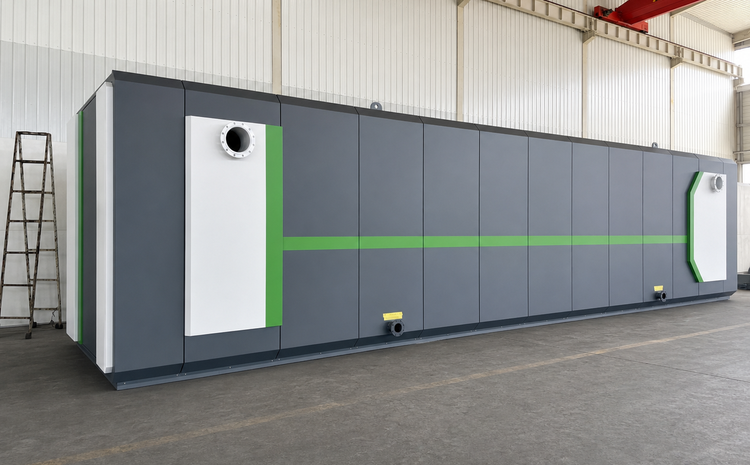
长期运行应把巡检、清理、润滑、排泥、仪表校验和易损件更换纳入周期计划。远程支持应建立在现场控制、培训和责任边界清晰的基础上。中侨启迪可结合项目条件提供工艺、设备制造、控制和调试方面的配套建议,但最终配置仍需根据进水检测、现场条件、运营能力和验收要求确定。对出口污水处理设备的合理判断,应落在可执行的边界、记录和维护安排上,而不是无条件承诺。一体化污水处理设备的最终方案仍应由项目数据和现场条件校核。
Startup of Export Wastewater Treatment Equipment
Project Context and Decision
Export wastewater treatment equipment for integrated systems moving from installation to continuous treatment should be selected from verified project conditions, not from a familiar model name. The central issue is coordinating civil interfaces, machinery, controls, biological startup, and operator training. A sound early review records average flow, peak periods, operating schedules, wastewater sources, and the intended discharge or reuse route. This article focuses on commissioning and operational handover and explains how owners, engineers, and procurement teams can turn a broad requirement into measurable design, manufacturing, and operating criteria.
During factory planning for commissioning and operational handover, Maintainability should be reviewed before fabrication. Operators need safe access to valves, sampling points, pumps, blowers, screens, and sludge withdrawal connections. A compact package that cannot be inspected or cleaned efficiently may create avoidable downtime even when its treatment process is correctly selected.
Define Flow and Wastewater Characteristics
The design basis should distinguish normal, peak, and abnormal conditions. For integrated systems moving from installation to continuous treatment, the team should examine suspended solids, oil, biodegradability, pH, temperature, cleaning chemicals, and any compounds that may inhibit biological treatment. Sampling location and timing matter because a single composite value can hide short hydraulic or organic shocks. Equalization, source segregation, or pretreatment may be more valuable than simply increasing the nominal size of the downstream package.
During delivery preparation for commissioning and operational handover, Automation should support process decisions instead of merely increasing the number of instruments. Each signal should have a defined operating purpose, alarm response, and fallback procedure. Manual control, safe shutdown, and recovery after power loss should remain clear to the site team.
Understand the Process Role
The main technical principle is to progress through inspection, individual tests, clean-water circulation, biomass development, and controlled loading. Each unit should have a defined job. Screening and equalization protect later stages; biological treatment converts biodegradable pollutants; clarification, membrane separation, filtration, or disinfection provide polishing when required. More units do not automatically create a stronger system. Hydraulic connections, recycle paths, sludge handling, and control logic must work as one process. Final parameters must be confirmed against actual wastewater and the project design basis.
During design-basis review for commissioning and operational handover, Wastewater with high oil, salinity, extreme pH, toxic compounds, or poorly biodegradable organics should not be treated as ordinary domestic sewage. Representative testing, pretreatment trials, or a pilot study may be required before the biological and polishing stages are finalized.
During site inspection for commissioning and operational handover, Wastewater with high oil, salinity, extreme pH, toxic compounds, or poorly biodegradable organics should not be treated as ordinary domestic sewage. Representative testing, pretreatment trials, or a pilot study may be required before the biological and polishing stages are finalized.
Translate Requirements into Equipment
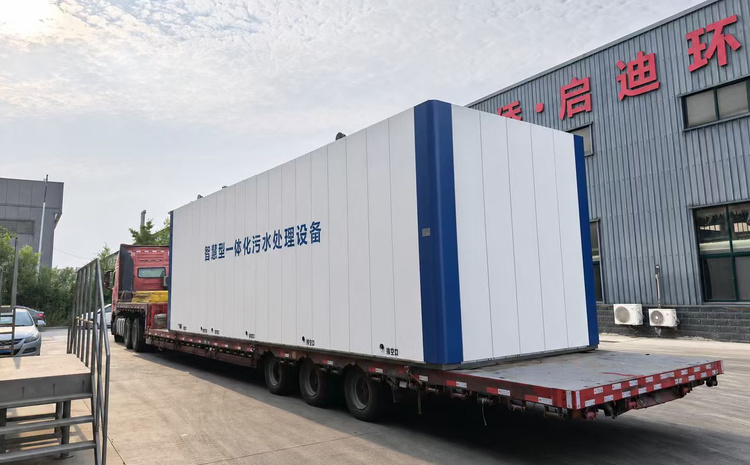
Equipment selection should specifically address foundation level, pipes, cables, pumps, valves, aeration, recycle, sludge wasting, alarms, and sampling. Effective volume, material compatibility, structural loads, access space, pipe routing, electrical supply, lifting conditions, and future expansion all influence the final configuration. Carbon steel, PP, containerized, buried, membrane, and modular equipment each have useful applications, but none is universally suitable. The selected form should match corrosion risk, temperature, transport constraints, installation method, and the operator's maintenance capacity.
During process review for commissioning and operational handover, Training is most effective when the actual operators perform a complete start, stop, inspection, cleaning, and alarm-response cycle. A short field checklist linked to the equipment manual helps convert commissioning knowledge into repeatable daily practice.
Commissioning and Routine Operation
A practical commissioning plan should cover changing only a few variables at a time and recording settings, observations, deviations, and corrective actions. The sequence normally moves from foundation and interface inspection to individual equipment tests, clean-water circulation, process startup, and controlled loading. Operators should trend flow, level, aeration or pressure, recycle, sludge wasting, and alarm history. Changes should be made one step at a time with enough observation time to separate real process recovery from temporary variation.
During equipment selection for commissioning and operational handover, A useful review also connects operating data to the event that caused it. Flow, level, pressure, aeration, alarms, sludge wasting, and effluent observations should be recorded on one timeline. This prevents a short disturbance from being treated as a permanent design problem and makes later troubleshooting more disciplined.
Procurement Boundary and Conclusion
Long-term performance depends on inspection, cleaning, calibration, lubrication, sludge management, and planned spare parts. Remote support is most useful when local controls, operator training, and responsibilities are already clear. ZhongQiao Enlightenment can coordinate process, equipment, controls, and commissioning discussions for project-specific packages, while the final solution must remain tied to influent testing, site conditions, operator capability, and local approval requirements. The most defensible export wastewater treatment equipment decision is therefore one supported by clear boundaries, traceable records, and a maintainable operating plan.
During interface coordination for commissioning and operational handover, The technical agreement should define supply limits, interfaces, controls, spare parts, commissioning duties, and the records required at handover. Purchase price is only one part of lifecycle value. Access to drawings, replacement components, operating guidance, and responsive technical support can materially affect long-term reliability.
内容搜索 Related Stories
推荐内容 Recommended
- 出口污水处理设备启动调试09-14
- 出口污水处理设备营地方案09-12
- 出口污水处理设备制造质控09-11
- 出口污水处理设备MBBR工艺09-07
- 出口污水处理设备模块扩容09-04
- 出口污水处理设备运维保障09-03
- 出口污水处理设备生产流程09-01
- 出口污水处理设备场景案例08-27
- 出口污水处理设备技术要点08-25
- 出口污水处理设备工艺解析08-24
- 出口污水处理设备优势解析08-22
- 出口污水处理设备集装箱装载平衡08-14
- 出口污水处理设备海运木箱标识要求08-13
- 出口污水处理设备电气标准适配08-11
- 出口污水处理设备英文操作手册编制08-10