


美国农村出口污水处理设备
编辑:出口污水处理设备 来自:https://www.zqwscl.com /日期:2026-09-15 15:27 / 人气:
项目边界先确认
美国农村出口污水处理设备适合用作美国农村项目的方案分析主题。出口污水处理设备的设计起点不是产品型号,而是服务对象、排水来源、场地条件和出水去向,方案讨论的主体仍是一体化污水处理设备。本文中的地点与规模用于说明设计方法,不代表已经建成或验收的具体工程。
方案比选前应先建立统一的输入表,至少列明农村来水来源、设计年限、占地红线、排水去向和运维人员。这样比较一体化污水处理设备时,才能判断差异来自设备能力还是供货范围,而不是被型号名称带偏。
对农村项目而言,预处理是否方便清掏会影响后续设备稳定性。格栅渣、浮油、浮渣和剩余污泥都需要明确容器、暂存位置与外运频次,不能只设计水线而忽略固体废物的管理路径。 对美国农村设备选型项目,应把这一项写入设计或运行记录。
在寒冷地区,低温会降低生化反应速率,并增加管线结冰风险。保温、伴热、设备间通风和停机排空应结合当地气候确定,同时通过调节负荷与污泥状态维持系统,不宜用单一参数强行补偿。 对美国农村设备选型项目,应把这一项写入设计或运行记录。
来水特征与水量
农村污水点位分散,早晚排水集中,雨污混接和管网渗入也可能改变实际水量。项目还要考虑管理人员是否固定、污泥如何外运、停电后怎样恢复,以及冬季低水温对生化系统的影响。
水质检测应覆盖对工艺选择有决定作用的指标,并记录采样时的用水状态。对美国农村而言,淡旺季或生产时段不同可能改变检测结果,必要时应进行多时段取样,而不是用一次样本代表全年。
自动控制宜采用分级逻辑。正常水位下按设定周期运行,高水位时提高处理能力,低水位时避免泵空转,同时保留手动检修模式。所有联锁都应在现场逐点测试,并给操作人员留下清晰的故障复位步骤。 对美国农村设备选型项目,应把这一项写入设计或运行记录。
操作培训应围绕真实设备展开,至少覆盖正常启停、手自动切换、药剂安全、污泥处置、报警判断和停电恢复。培训结束后保留简洁的巡检表与流程图,比厚重但无人使用的手册更有实际价值。 对美国农村设备选型项目,应把这一项写入设计或运行记录。
工艺路线的作用
一体化污水处理设备可把调节后的生化、沉淀、过滤或消毒单元集中布置。本文采用调节加MBBR与沉淀消毒作为讨论路线,但实际组合应依据进水可生化性、氮磷要求、场地和运维能力确定。对于高油、高盐或含抑制物质的废水,应先设置针对性预处理。 围绕美国农村设备选型,本文把相关条件作为本次方案核对重点。
选型时应同时比较设计水量、峰值系数、污染物形态、排放去向、占地、供电和维护条件。只比较设备外形或名义处理量,往往会遗漏调节能力、备用泵、风机余量、污泥储存和检修空间。
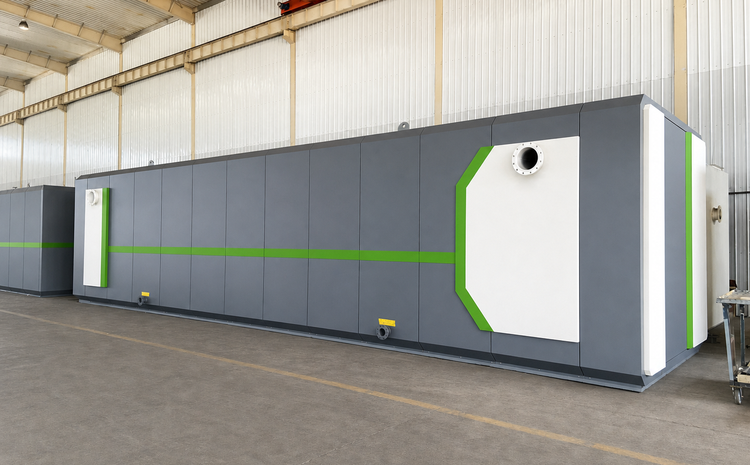
若项目存在后期扩容可能,可在总图、管线和电控中预留接口。扩容不是简单并联一个箱体,还要复核调节池、提升能力、污泥处理、总出水管和供电容量,确保前后系统不会形成新的瓶颈。 对美国农村设备选型项目,应把这一项写入设计或运行记录。
项目复盘应区分设计问题、施工问题和运行问题。水量超出边界、管网雨水进入、曝气管损坏或排泥长期不足会呈现不同现象,只有保留趋势数据和调整记录,后续优化才有可靠依据。 对美国农村设备选型项目,应把这一项写入设计或运行记录。
设备配置与结构
设备清单需要写清池段有效容积、泵和风机的工作与备用关系、液位控制、阀门位置、检修口、取样点和电控逻辑。模块化碳钢或PP结构应结合介质、温度、受力、运输和安装条件选择,不应仅凭“耐腐蚀”或“强度高”等单一描述作决定。
技术评分可把工艺适配、结构材料、检修条件、自动控制和服务边界分别评价。模块化碳钢或PP结构只有与实际介质和安装条件相符才有价值;设备外观、宣传参数或单一价格不应替代工程判断。
验收前的检测应建立在稳定进水和规范运行基础上。采样点、采样时间、运行记录和检测机构要求由项目条件确定,单次结果不能替代长期管理,设备供应方也不应脱离进水边界作无条件承诺。 对美国农村设备选型项目,应把这一项写入设计或运行记录。
安装调试控制
现场具备条件后再安排设备进场。基础尺寸与承载、预留孔洞、管线坡度、电缆规格和接地应逐项复核。安装完成先做清水联动,检查泵阀方向、液位联锁、曝气均匀性和报警,再逐步引入污水培养或恢复生物系统。
投标或采购文件应要求供应方说明设计假设和不含事项。对关键泵、风机、膜组件或溶气系统,可核对型号、工作点、备用方式和更换空间,避免设备到场后才发现接口与现场不匹配。
备件计划可按故障影响和采购周期分级。密封件、液位开关、常用阀件和易堵部件宜准备基础库存,泵和风机则结合备用配置管理。这样可减少小故障等待配件而造成的长时间停机。 对美国农村设备选型项目,应把这一项写入设计或运行记录。
运行管理与结论
运行初期要验证选型假设是否成立,包括峰值水量、预处理负荷、污泥产量和实际操作频次。若现场条件与设计输入不同,应先更新运行策略或工艺参数,再评估是否需要扩容或改造。
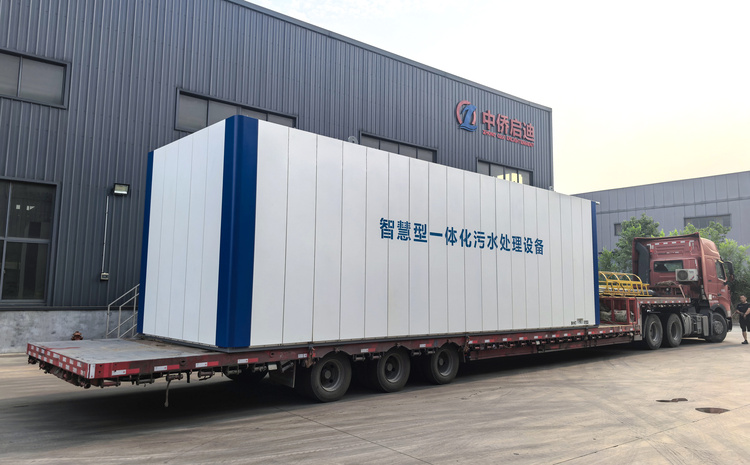
中侨启迪在编制美国农村设备选型方案时,应以实测水质、水量变化、场地条件和验收要求为依据,完成工艺计算与设备边界确认。只有设计、制造、安装、调试和运维连续衔接,出口污水处理设备才能在明确条件下发挥预期作用。
Rural Export Wastewater Equipment for the US
Define the Project Boundary
Rural Export Wastewater Equipment for the US is presented as a planning scenario for rural wastewater in United States, not as a claim about a completed local project. A useful specification starts with the wastewater sources, discharge or reuse objective, available footprint, utilities, staffing, and the party responsible for sludge management.
A procurement comparison for United States should use one common design basis. The request for quotation should identify influent assumptions, treatment objectives, exclusions, utility limits, and operator responsibilities so suppliers are not pricing different systems under similar names.
Performance verification should use an agreed sampling point, stable operating period, and documented influent conditions. A single sample cannot describe long-term operation, and no supplier should promise compliance without linking the claim to the approved design basis and operating responsibilities. This item should be checked against the stated conditions for Rural Export Wastewater Equipment for the US in United States.
Characterize Flow and Wastewater
Rural collection systems often serve dispersed users and receive uneven flows. Stormwater intrusion, intermittent pumping, limited staffing, and long sludge-hauling distances can matter as much as the biological process itself. Representative samples should cover the operating periods that create the highest organic, solids, oil, or chemical load rather than only a convenient daytime sample. For Rural Export Wastewater Equipment for the US, the sampling plan should be part of the documented design basis.
Sampling should cover the periods most likely to govern equipment size and process risk. Composite sampling may describe an average day, while targeted samples from cleaning, meal service, or production peaks reveal loads that equalization and pretreatment must absorb.
Build the Treatment Train
The proposed route uses screening, equalization, MBBR treatment, clarification, and disinfection. Each stage should have a defined duty: screening protects pumps, equalization dampens shocks, biological treatment removes biodegradable pollutants, solids separation retains biomass, and disinfection or polishing addresses the final project objective. Industrial streams may need dedicated pretreatment before this train.
A rural scheme benefits from a process that tolerates uneven inflow and can recover after low-load periods. Attached-growth biology may help in some cases, but screening, equalization, sludge wasting, and realistic operator routines remain essential. This is a central process question for Rural Export Wastewater Equipment for the US.
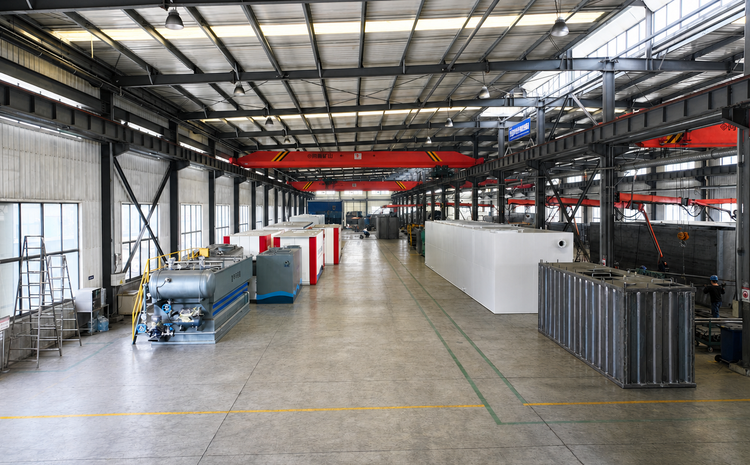
Future expansion is easier when hydraulic, electrical, and control interfaces are reserved from the beginning. Adding another treatment module may also require larger equalization, transfer pumping, sludge storage, and outlet capacity, so modular equipment does not remove the need for system-level checks. This item should be checked against the stated conditions for Rural Export Wastewater Equipment for the US in United States.
Specify the Equipment Package
Equipment for dispersed communities should minimize hidden service points. Pumps and blowers need safe removal space, valves should be reachable, and the control system should show faults in terms a local operator can act on. The equipment schedule for Rural Export Wastewater Equipment for the US should make this requirement explicit.
A technical evaluation can score process suitability, access, materials, controls, spare capacity, and service scope separately. This makes it easier to explain why one package fits the stated conditions instead of choosing from purchase price or enclosure appearance alone.
A useful spare-parts plan separates routine consumables from long-lead critical items. Seals, level switches, valves, diffuser components, and instrument supplies can be stocked locally, while standby pumps or blowers should be considered when a single failure would stop the entire process. This item should be checked against the stated conditions for Rural Export Wastewater Equipment for the US in United States.
Commission in Controlled Steps
Construction planning must include the collection network and sludge route. A well-built treatment package cannot compensate for stormwater entering the sewer, blocked household connections, or the absence of an arrangement for residual removal. The site plan for Rural Export Wastewater Equipment for the US should show this interface clearly.
Factory and site acceptance checks should trace the approved schedule. Pump tags, blower duty, valve access, instruments, alarm points, and cable interfaces are verified before wastewater loading, reducing the chance that missing scope appears during commissioning.
Cold weather, heat, dust, and unreliable power can change both equipment life and biological performance. Enclosures, insulation, ventilation, surge protection, drainage, and restart procedures should reflect the actual site rather than a generic export package. This item should be checked against the stated conditions for Rural Export Wastewater Equipment for the US in United States.
Plan for Routine Operation
The operating team should review the original selection assumptions after the first stable period. Actual flow, sludge production, cleaning frequency, and utility use show whether the selected package is working within its intended range or needs an operating adjustment.
Wastewater treatment equipment for United States should therefore be selected from measured project conditions and verified local requirements. ZhongQiao Enlightenment can organize the process and equipment package around those inputs, while final compliance depends on wastewater characteristics, design approval, commissioning, operation, and the rules that apply at the project location.
内容搜索 Related Stories
推荐内容 Recommended
- 美国农村出口污水处理设备09-15
- 出口污水处理设备启动调试09-14
- 出口污水处理设备营地方案09-12
- 出口污水处理设备制造质控09-11
- 出口污水处理设备MBBR工艺09-07
- 出口污水处理设备模块扩容09-04
- 出口污水处理设备运维保障09-03
- 出口污水处理设备生产流程09-01
- 出口污水处理设备场景案例08-27
- 出口污水处理设备技术要点08-25
- 出口污水处理设备工艺解析08-24
- 出口污水处理设备优势解析08-22
- 出口污水处理设备集装箱装载平衡08-14
- 出口污水处理设备海运木箱标识要求08-13
- 出口污水处理设备电气标准适配08-11